Looking for a home that makes it easier to get outside every day? In Alpharetta, the Big Creek Greenway is one of the clearest signs that lifestyle and location go hand in hand. If you want a home that supports walking, biking, and an active routine, this guide will help you understand how the Greenway fits into Alpharetta’s housing patterns and what to look for before you buy. Let’s dive in.
Why the Greenway Matters in Alpharetta
Big Creek Greenway is more than a short neighborhood path. Alpharetta’s current map shows a multi-segment corridor with concrete greenway sections, natural trail segments, and boardwalk areas, plus mile markers reaching 8.5.
That range matters because it turns the Greenway into an everyday-use amenity rather than a one-time destination. The map also shows access and underpasses at Webb Bridge Road, Haynes Bridge Road, Old Milton Parkway, Kimball Bridge Road, and Mansell Road, which helps connect different parts of the city.
The Greenway also supports practical use, not just recreation. Alpharetta’s map marks parking, restrooms, emergency call boxes, and a mountain bike trail near the YMCA, all of which make it easier to plan a morning walk, bike ride, or longer weekend outing.
The Greenway Lifestyle Is Bigger Than One Trail
One of the most helpful things to understand as a buyer is that the Greenway sits within a broader recreation network. Alpharetta highlights amenities and programs that include AlphaLoop, tennis and pickleball, Wills Park Pool, active adult 55+ programming, arts and culture, history tours, music and performances, wellness offerings, and special events.
That wider system shapes daily life. If you are buying in Alpharetta for outdoor access, you are not just buying near one linear trail. You are buying into a city where parks, programs, and public spaces help support a more active routine.
The Greenway map also places the corridor near other activity nodes such as Rock Mill Park, Union Hill Park, Big Creek Park in Roswell, Windward Parkway, North Point Mall, and Northside Hospital. For a homebuyer, that reinforces the idea that the trail is part of a larger north Alpharetta activity pattern.
Walk-to-Trail vs Near-the-Trail
This is one of the most important distinctions to make before you buy. A home can be close to the Greenway on a map but still function very differently in real life.
A true walk-to-trail home usually gives you a simple, intuitive route from your front door to an access point. That could mean a short neighborhood walk, an easy connection to a spur, or a route that avoids difficult road crossings.
A near-the-trail home may still offer great access, but it might require driving to a parking area or navigating busier roads first. For some buyers, that is perfectly fine. For others, especially if you picture daily walks or quick bike rides, it can change how often you actually use the trail.
What to Check Before You Buy
If the Greenway is a priority, focus on how the home works with the trail in practice, not just in theory. A few details can make a big difference.
Access points and underpasses
The Greenway map shows several key crossings and underpasses, including Webb Bridge Road, Haynes Bridge Road, Old Milton Parkway, Kimball Bridge Road, and Mansell Road. These features matter because they help you understand whether your route feels direct and comfortable for everyday use.
Which side of the corridor you live on
Your side of the Greenway corridor can affect how naturally you connect to it. Even if two homes are the same distance from the trail, one may have a much easier path because of street layout, crossings, or nearby entry points.
Daily routine fit
Think about when and how you plan to use the Greenway. If you want early walks, family bike rides, or a quick outdoor break during the day, you will likely want access that feels simple enough to use often.
Drive-to-trail convenience
If you are comfortable driving to a trailhead, look at where parking and amenities are located. Since the map shows parking, restrooms, and emergency call boxes, some areas may still offer a very workable Greenway lifestyle even if you are not within a short walk.
How Alpharetta’s Planning Shapes Housing Choices
Alpharetta’s planning documents show a clear push toward more walkable and connected areas in key activity centers. The city describes its Downtown Circulation Study as a way to improve pedestrian and bicycle connections, reduce traffic speeds, strengthen transit presence, adjust parking strategies, and expand redevelopment opportunities.
The city also identifies the Downtown Overlay District as a tool to encourage redevelopment. In addition, the North Point LCI is described as a land-use and transportation plan for one of Alpharetta’s primary regional activity centers.
For buyers, this suggests that the Greenway-adjacent market works best as a gradient rather than a single category. The closer you get to higher-activity, trail-linked nodes, the more likely you are to see housing forms that support walkability and lower-maintenance living.
What Types of Homes You May Find
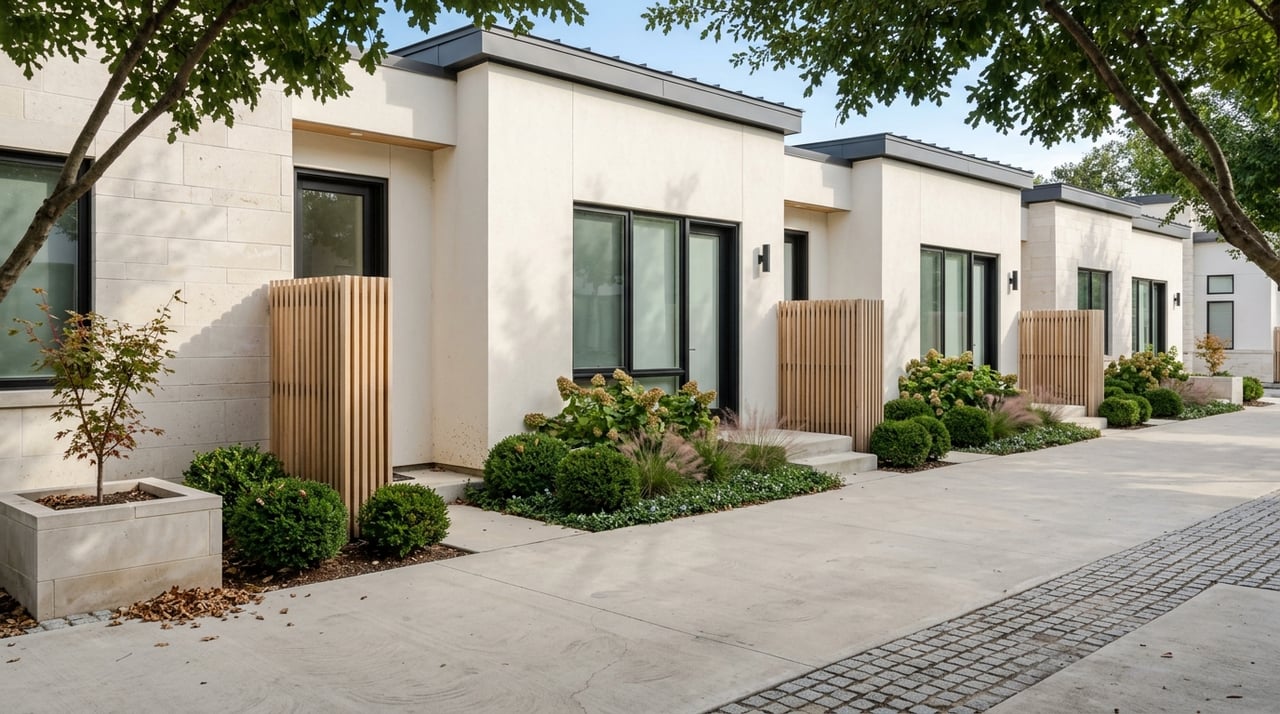
Based on Alpharetta’s planning framework and future land-use map, attached and higher-density housing is more likely to cluster near the walkable activity centers. That can include condos, apartments, and townhome-style living near trail-friendly nodes such as downtown-oriented or North Point-related areas.
Farther from those nodes, the future land-use map still shows very low-density residential and residential estate categories. In practical terms, that points back toward a more traditional suburban single-family pattern.
This is helpful if you are trying to match your lifestyle goals to the right property type. If you want a lock-and-leave home with easier access to active areas, an attached home near a key node may fit. If you want more space and a classic suburban setup, you may still enjoy the Greenway while living a bit farther out.
Who the Greenway Lifestyle Appeals To
The Greenway lifestyle is not just for serious cyclists or runners. Alpharetta’s recreation offerings support a broader mix of routines and life stages.
For families, the appeal may be outdoor time, nearby parks, and flexible ways to spend weekends. For empty nesters or downsizers, the draw may be access to trails, wellness options, events, and easier everyday recreation.
Alpharetta also highlights active adult 55+ programming as part of its recreation portfolio. That broader mix shows why the Greenway lifestyle can appeal across generations.
How to Shop Smarter for a Greenway Home
If this lifestyle is high on your list, it helps to evaluate homes with a few specific questions in mind.
Ask how you will reach the trail
Do not stop at distance alone. Ask whether the route is a neighborhood walk, a spur connection, or a drive to a parking area.
Picture your real schedule
Think about whether you want daily use or occasional use. A home that supports your actual habits will usually feel like the better fit over time.
Match the home type to the lifestyle
If you value walkability and lower maintenance, look closely at areas where Alpharetta is planning for greater activity intensity. If you prefer more space and a traditional suburban setting, you may want a single-family option that still keeps the Greenway within easy reach.
Consider the broader recreation network
Remember that the Greenway is part of a larger system. Access to AlphaLoop, parks, programs, wellness offerings, and events can add just as much value to your day-to-day experience as trail mileage alone.
The Bottom Line for Buyers
In Alpharetta, the Greenway lifestyle is really about how a home supports your routine. Big Creek Greenway is a major amenity, but the best fit depends on whether you want true walk-to-trail convenience, drive-up access, or a home base near the city’s more active and connected nodes.
When you look at Alpharetta through that lens, your search becomes clearer. You can focus less on broad labels and more on the details that shape how you will actually live in the home and use the city around you.
If you want help finding the right fit in Alpharetta, Bobbie Schmitt offers experienced, personalized guidance for buyers who want a home that aligns with both lifestyle and long-term goals.
FAQs
What is Big Creek Greenway in Alpharetta?
- Big Creek Greenway is a multi-segment trail corridor in Alpharetta with concrete greenway, natural trail, and boardwalk sections, with mile markers shown up to 8.5 on the city’s current map.
What should Alpharetta buyers know about walk-to-trail homes?
- Buyers should look beyond map distance and check whether the home has a practical, intuitive route to the Greenway, including nearby access points, underpasses, and street crossings.
What amenities are shown along Alpharetta’s Big Creek Greenway?
- Alpharetta’s Greenway map shows parking, restrooms, emergency call boxes, and a mountain bike trail near the YMCA.
What types of homes are common near Alpharetta’s trail-friendly activity centers?
- Alpharetta’s planning documents suggest that condos, apartments, and townhome-style homes are more likely near higher-activity, walkable nodes, while lower-density single-family patterns are more common farther away.
Why does Alpharetta’s broader recreation network matter to homebuyers?
- The city’s recreation system includes amenities and programs such as AlphaLoop, tennis and pickleball, Wills Park Pool, active adult 55+ offerings, arts and culture, wellness, and special events, which can add value to everyday living beyond the Greenway itself.