If you are selling in Roswell, your home’s age is not just a detail. It shapes how buyers see value, how they react to updates, and what story helps your listing stand out. Whether you own a historic property with deep roots or a newer home built for modern living, knowing how buyers compare the two can help you make smarter prep and pricing decisions. Let’s dive in.
Roswell gives sellers a unique backdrop
Roswell is a strong market for this comparison because the city has both a well-known preservation identity and decades of more recent growth. Roswell says it was founded in 1839, and its historic house museums include Barrington Hall, Bulloch Hall, and Smith Plantation. At the same time, the city notes that much of its population growth has happened in the last 20 years.
That mix matters when you sell. In Roswell, a historic home often competes on heritage, architectural detail, and setting, while a newer home usually competes on convenience, efficiency, and modern function. The city’s planning work also reflects a clear focus on protecting the character of established areas, especially around the historic core.
The Town Square and Atlanta Street corridor helps reinforce that distinction. Roswell describes it as an entrance to the Historic District and notes that many historic resources are concentrated there. For sellers, that means location can carry a different kind of value depending on the style and age of the home.
Historic homes sell a sense of place
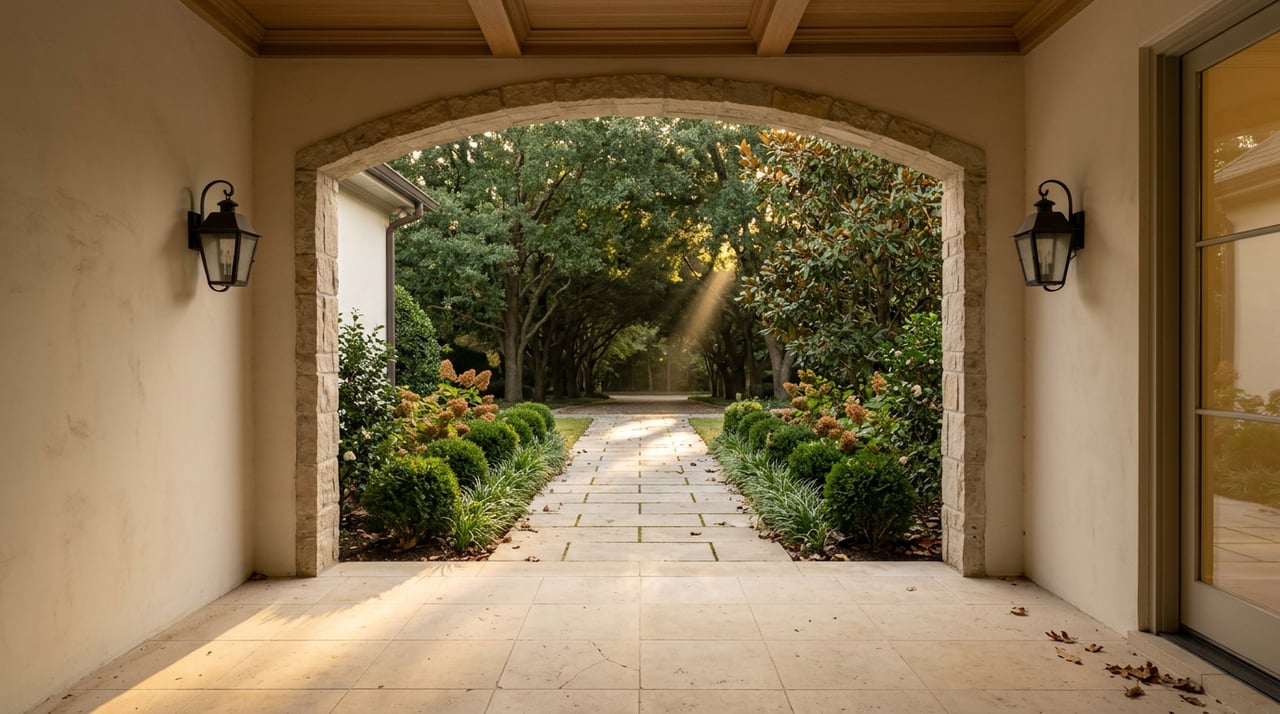
When buyers look at a historic Roswell home, they are often responding to things that cannot be replicated easily. That can include original craftsmanship, mature landscaping, established surroundings, porches, fireplaces, staircases, trim, floors, and a layout that reflects another era. These features often create an emotional connection right away.
Historic buyers also tend to appreciate authenticity. According to National Park Service guidance, features like entry halls, windows, fireplaces, trim, and historic floors can be character-defining. That means many buyers want thoughtful updates, but they do not want the home stripped of the details that make it special.
In practical terms, your marketing should not try to make a historic property feel brand new. Instead, it should help buyers understand why the home’s original features, setting, and story still matter today. In Roswell, that story can be especially powerful because the city’s identity is closely tied to preservation and its 19th-century roots.
What buyers often notice first in historic homes
Buyers touring older homes often focus on visible character before anything else. They may comment on the front porch, original millwork, wood floors, fireplaces, or the relationship between the house and its lot.
That is why presentation should feel careful, not heavy-handed. If your home has features that reflect its age and craftsmanship, they should stay front and center rather than getting lost behind trendy finishes or oversized furniture.
New construction sells ease and function
Newer homes appeal to a different buyer mindset. Many buyers are drawn to open layouts, energy efficiency, lower utility costs, builder warranties, and the appeal of delayed major maintenance. For some, the biggest selling point is simple: the home feels turn-key.
That does not mean new construction sells itself. Buyers still compare value closely, especially when upfront costs are higher. They also may notice drawbacks such as sparse landscaping or a home that feels less established than an older property.
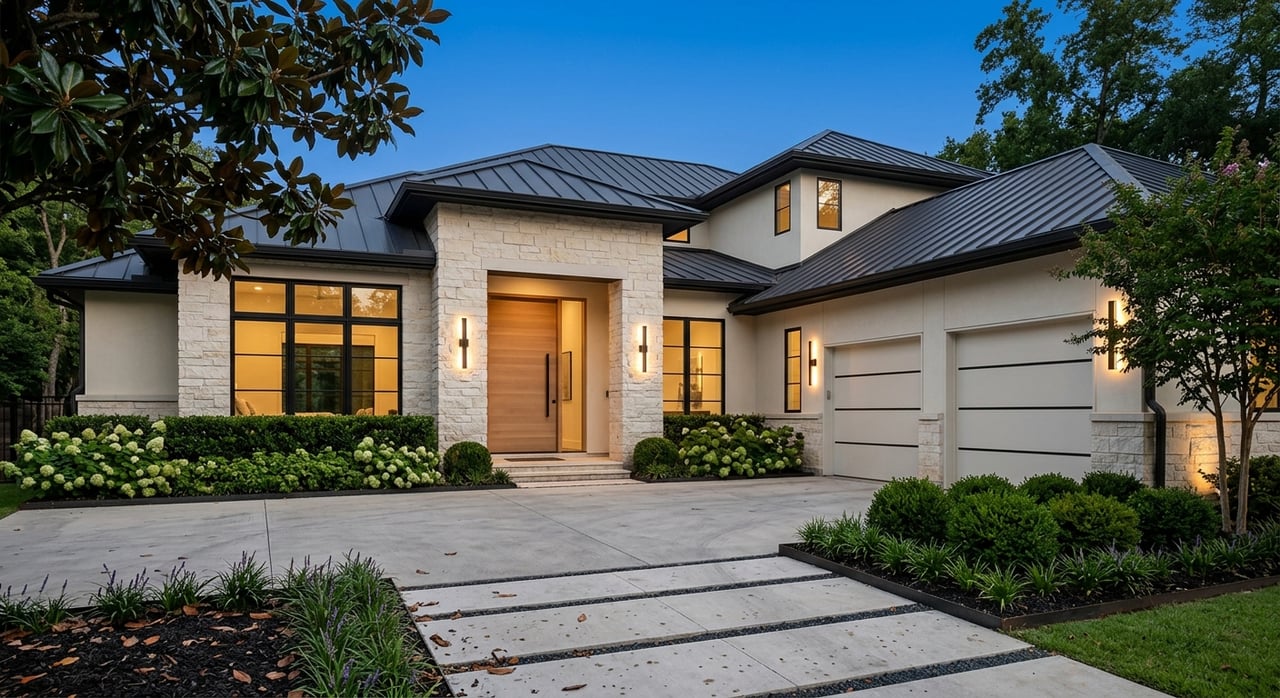
For sellers, the opportunity is clear. A newer Roswell listing should highlight clean design, easy daily living, storage, natural light, and a low-friction ownership experience. The message is less about history and more about how comfortably the home fits the way people want to live now.
What buyers often notice first in new homes
In newer homes, buyers usually react first to flow and livability. They notice open kitchen and living areas, ceiling height, window placement, storage, and how move-in ready the home feels.
They may also focus on workmanship and finish quality. Since the major systems are newer, inspection conversations often center more on punch-list issues, fit and finish, and exterior completion rather than aging materials.
Pre-listing prep should look different
One of the biggest mistakes sellers make is using the same prep strategy for every home. In Roswell, historic and newer homes need different kinds of attention before they hit the market.
For a historic home, preparation should begin with understanding which features define the home’s character. The goal is often to preserve, refresh, and present rather than replace. If you rush into cosmetic work without that filter, you can unintentionally remove details buyers value most.
For a newer home, preparation is usually more about refinement. Buyers expect clean finishes, strong function, and a polished look. Small issues that make the home feel incomplete can stand out more because the standard for “like new” is high.
Historic home prep checklist
- Verify the status of visible exterior changes before listing
- Review windows, porches, trim, floors, staircases, and fireplaces carefully
- Refresh original features instead of over-modernizing them when possible
- Declutter so architectural details stand out
- Make sure photos capture the home’s setting, landscaping, and approach
New construction prep checklist
- Address punch-list items and minor workmanship concerns
- Tighten up landscaping and curb appeal
- Stage for scale, flow, and storage
- Keep finishes crisp and surfaces clear
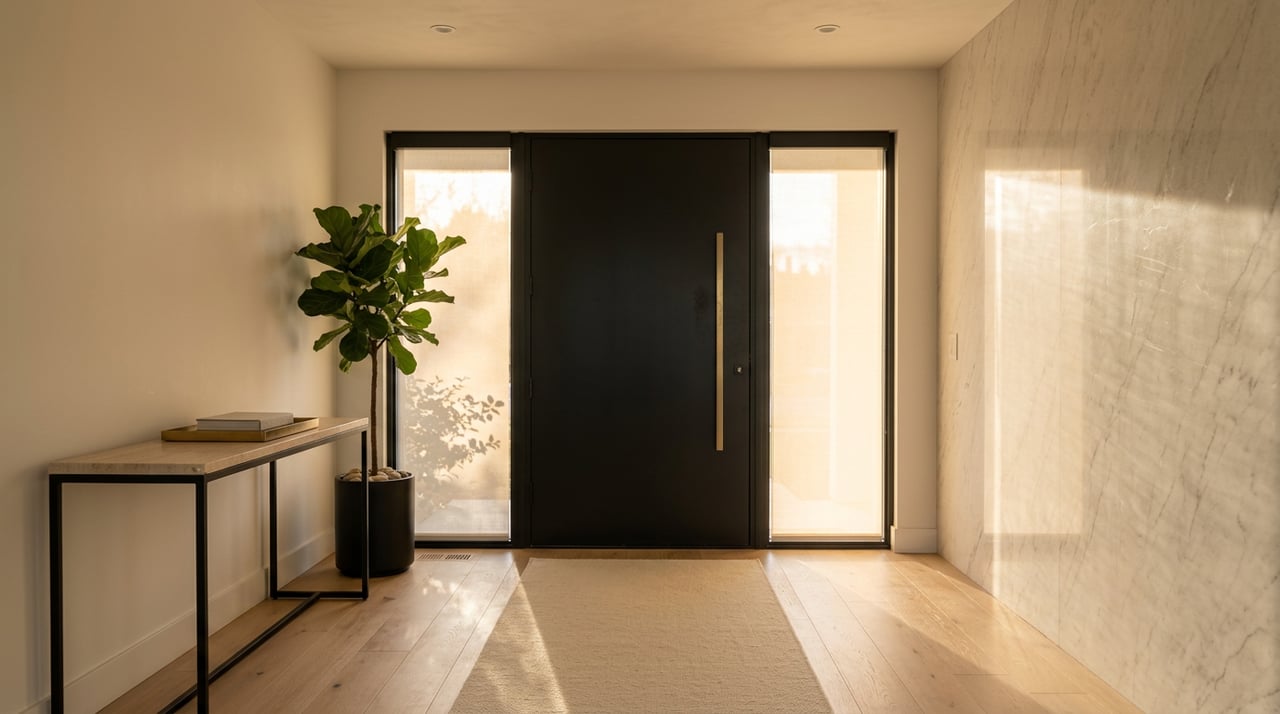
- Use photography that shows light, layout, and indoor-outdoor connection
Historic homes may need code review first
If your property is a designated historic property or site, exterior work may involve an added step. Roswell’s code defines a Certificate of Appropriateness as approval for a proposed change to the appearance of a designated historic property or site. The city’s planning FAQ also says applicants must complete an orientation meeting before submitting Certificate of Appropriateness materials.
That matters before you start pre-listing touch-ups. If you are planning visible exterior changes on a historic property, it is wise to verify what has been done already and what may need review before photographers arrive or contractors begin work. It is much easier to solve those questions early than to scramble once your listing timeline is underway.
Inspection conversations are not the same
Every home inspection brings a few surprises because no home is perfect. Still, the likely conversation can look very different depending on whether you are selling a historic home or a newer one.
With an older property, buyers and inspectors often pay closer attention to foundation movement or cracks, aluminum wiring, and older plumbing issues such as polybutylene pipes. Some items may become negotiation points rather than deal-breakers, but they can affect how confident a buyer feels.
Historic homes may also prompt more detailed questions about windows, floors, trim, porches, and other older features. The right approach is usually honest context and careful presentation, not trying to disguise age.
With newer construction, the conversation often shifts to finish quality, incomplete items, and exterior details such as landscaping. Buyers may expect fewer near-term repairs, so anything that interrupts that expectation can carry more weight than you think.
Staging should support the home’s identity
Staging is not one-size-fits-all, and the numbers show why it matters. In the National Association of Realtors 2025 Profile of Home Staging, 83% of buyers’ agents said staging made it easier for buyers to visualize a property as their future home. The living room, primary bedroom, and kitchen were especially important.
For historic homes, staging should emphasize what cannot be recreated. That may include original floors, millwork, staircases, fireplaces, porches, mature trees, and any outbuildings or site features that reinforce the home’s sense of place.
Restraint is usually your friend here. Buyers should be able to picture everyday life in the home without feeling like its history has been polished away.
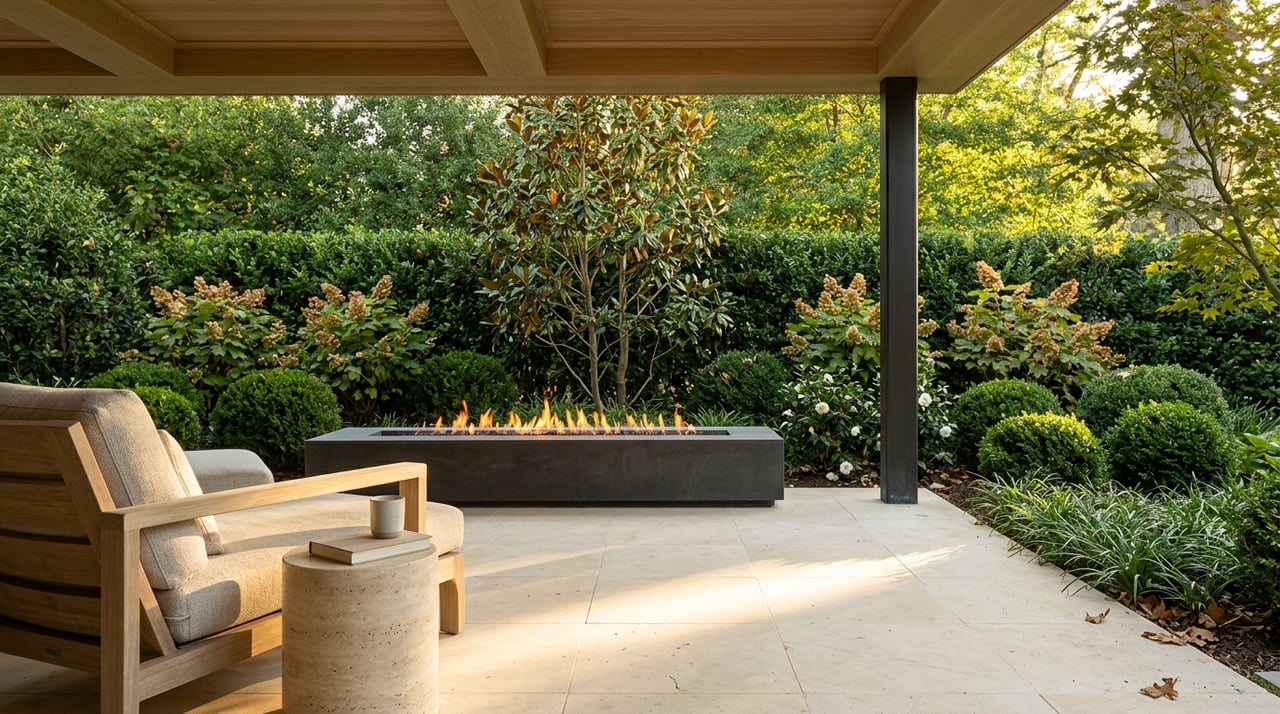
For newer homes, staging often works best when it highlights spaciousness, light, and flexibility. Clean sightlines, balanced furniture scale, and a clear sense of flow can make an open plan feel even more compelling. Since sparse landscaping can be a drawback in newer homes, exterior presentation also matters.
Pricing still matters more than the story
A beautiful story helps buyers connect, but it cannot rescue an unrealistic list price. Atlanta REALTORS’ February 2026 Market Brief reported 16,879 active listings and a 3.8-month supply across the 11-county metro area. In a market with meaningful competition, buyers tend to compare condition, location, and price with care.
NAR’s 2026 forecast also noted that homes priced just 3% to 5% above market can face longer days on market and deeper reductions later. That is true whether you are selling a historic Roswell property or a newer build.
Historic sellers sometimes assume rarity alone will carry the price. New-construction sellers sometimes assume newer automatically means premium. In both cases, strong presentation should support pricing, not replace pricing discipline.
The best marketing angle depends on the home
In Roswell, the strongest listings usually start with a simple question: what is this home really selling? Once you answer that clearly, everything else becomes easier, from staging choices to photos to showing strategy.
For a historic Roswell home, the answer is often authenticity, architectural integrity, and connection to place. The listing story should help buyers see the home as part of Roswell’s larger heritage while also showing how it supports daily living now.
For a newer home, the answer is often efficiency, convenience, and a fresh start. Buyers want to understand how the layout functions, how the finishes feel, and why the home offers an easy move-in experience.
That is where thoughtful, design-led marketing can make a real difference. When your preparation, visuals, and pricing all match the home’s true strengths, buyers are more likely to understand its value quickly and respond with confidence.
If you are weighing how to position a historic property or a newer home in Roswell, a tailored plan matters. For strategic guidance, design-focused preparation, and high-touch marketing, connect with Bobbie Schmitt.
FAQs
How should you market a historic home in Roswell?
- Focus on authenticity, architectural details, mature landscaping, and the home’s connection to Roswell’s historic identity rather than trying to make it feel brand new.
How should you market a new construction home in Roswell?
- Highlight open layout, energy efficiency, low-maintenance living, modern finishes, storage, natural light, and move-in-ready convenience.
What should sellers check before updating a historic Roswell home?
- Verify whether visible exterior changes may require Roswell review, since designated historic properties may need a Certificate of Appropriateness before appearance changes are made.
What inspection issues are more common in older homes?
- Buyers may ask more about foundation cracks or movement, aluminum wiring, older plumbing concerns, and the condition of older windows, floors, porches, and trim.
Does staging matter when selling in Roswell?
- Yes. Staging helps buyers picture themselves in the home, and it should be tailored to the property, with historic homes emphasizing character and newer homes emphasizing flow, light, and function.