Thinking about a transfer to Atlanta’s Perimeter area and wondering if Dunwoody fits your life? You are not alone. Many buyers want the convenience of a major job center with a calmer neighborhood feel, but it can be hard to get a quick, accurate read from afar. In this guide, you will learn how Dunwoody is laid out, where different housing types cluster, how commutes and MARTA work, what parks and retail anchor daily life, and how to plan a focused house-hunting trip in just 1 to 2 days. Let’s dive in.
Why choose Dunwoody
Dunwoody sits in northern DeKalb County, inside I‑285 and next to the Perimeter Center business district. That location combines suburban neighborhoods with a major office and retail hub around Perimeter Mall. You get access to jobs, services, and transit without giving up tree‑lined streets and pocket parks.
Public schools are part of the DeKalb County School District. Several private and parochial options are in and around the city. Because attendance zones and performance data can change, plan to review the latest district maps and school reports during your search.
If you work near Perimeter Center, Dunwoody offers short drives and transit options. If your office is in Midtown or Downtown, you can compare MARTA rail from the Dunwoody station to a direct drive to choose the best door‑to‑door time.
Where to live in Dunwoody
Dunwoody breaks into a few practical micro‑areas. Each one has a typical housing style, lifestyle pattern, and tradeoffs.
Perimeter Center and Perimeter Mall
- Housing: High‑ and mid‑rise condos, apartments, luxury rental communities, and some townhomes.
- Lifestyle: Close to major employers, national and local dining, and everyday services. Walkability is strongest here.
- Tradeoffs: Higher price per square foot for proximity, busy traffic at peak hours, and meaningful condo or HOA fees in many buildings.
Dunwoody Village
- Housing: Small‑lot single‑family homes, bungalows, townhomes, and low‑rise condos.
- Lifestyle: A traditional village center feel with shops and restaurants nearby and community events through the year.
- Tradeoffs: Smaller lots and fewer newer large homes. Inventory can be tight if you want a big yard.
Established single‑family neighborhoods
- Areas to know: Georgetown, North Dunwoody, and the Winters Chapel and Tilly Mill corridors.
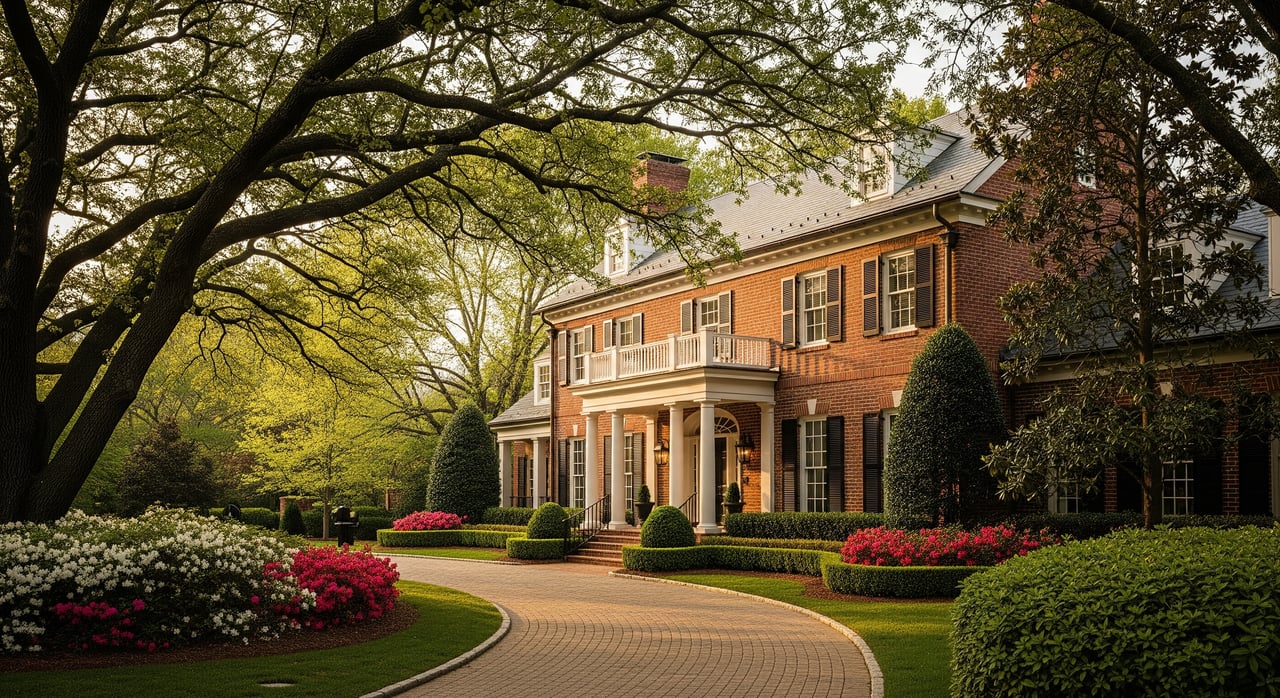
- Housing: 1980s to early 2000s homes with mature trees and neighborhood associations. Layouts range from ranch plans to larger 4‑plus bedroom homes.
- Lifestyle: Quieter streets and more yard space compared with the commercial core.
- Tradeoffs: Less walkable to Perimeter Mall. Commute time varies by exact location and time of day.
Townhomes, infill, and newer subdivisions
- Areas to know: Along the Ashford‑Dunwoody corridor and select redevelopment pockets.
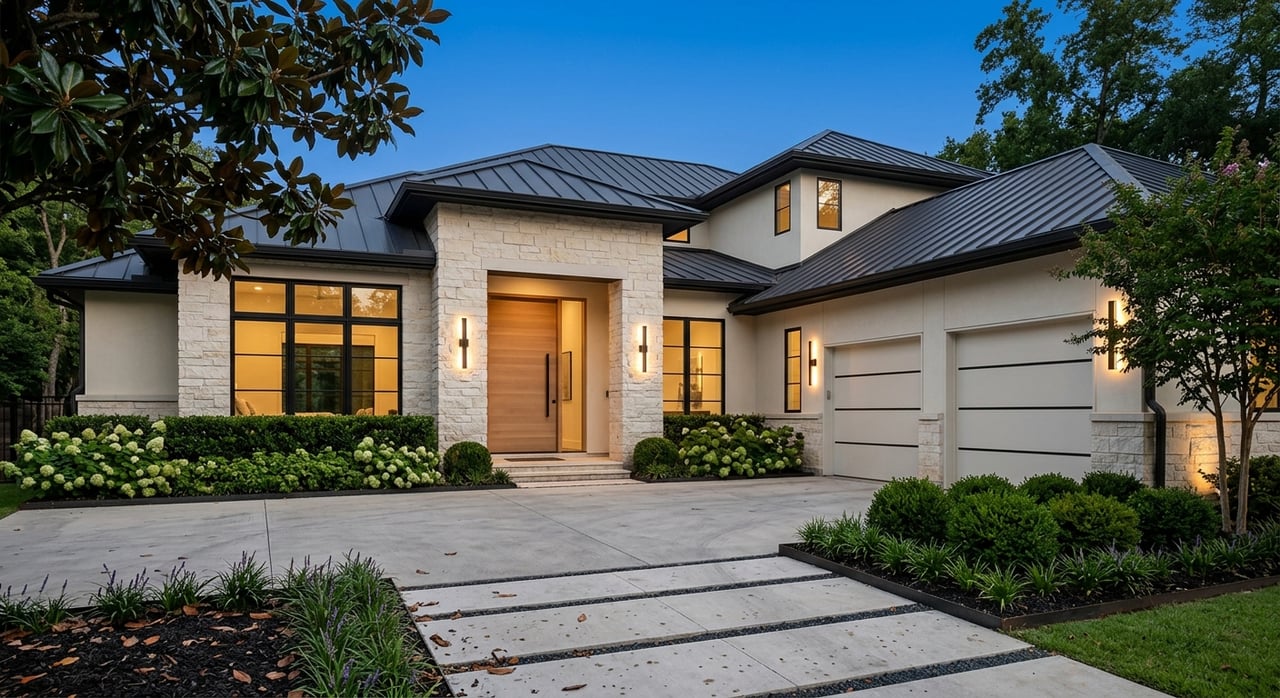
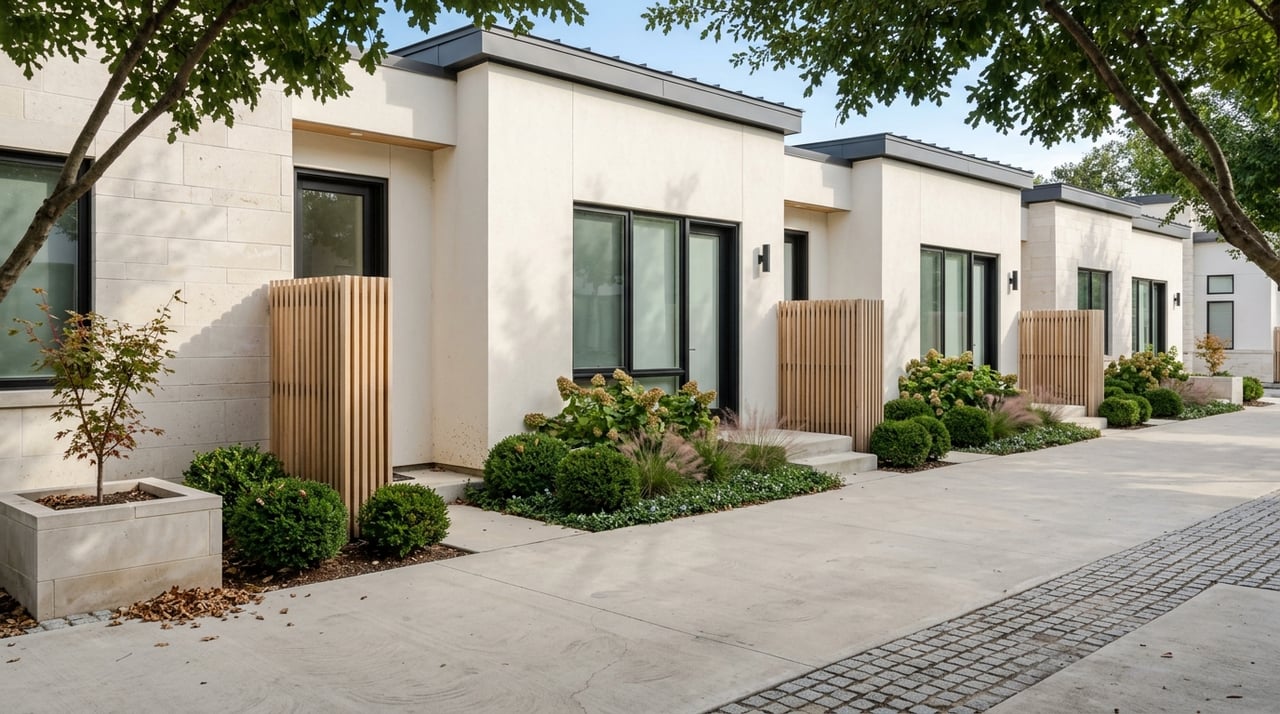
- Housing: Newer townhome communities, infill condos, and gated options with modern finishes and amenities.
- Lifestyle: Lower maintenance living with contemporary design.
- Tradeoffs: Smaller footprints and HOA rules and fees to budget for.
Rental landscape
- What to expect: A large inventory of apartments clusters near Perimeter Center and along major corridors. You can find short‑term corporate housing and some furnished units with flexible terms.
Key purchase considerations
- HOA and condo fees: These can shift your monthly payment compared with a detached home.
- Lot size and trees: Many buyers value larger lots and a mature canopy in north‑metro neighborhoods.
- Noise and traffic: Proximity to I‑285 and Ashford‑Dunwoody Road affects sound and drive times.
- Resale demand: Homes near Perimeter Center and transit often see steady long‑term interest from both residents and investors.
Commute corridors and transit
Dunwoody is built around the I‑285 Perimeter corridor, with Perimeter Center as a major employment node. Local arterials like Ashford‑Dunwoody Road, Peachtree‑Dunwoody Road, and Hammond Drive connect neighborhoods to the business district.
- Highways: Access to GA‑400 helps if you travel north or south through the northern suburbs.
- Travel times: A 10‑mile commute can run much longer during rush hour. Test both inbound and outbound trips at peak times.
- MARTA rail: The Dunwoody MARTA station offers a direct rail option toward central Atlanta. This is a practical way to compare rail versus driving for Midtown or Downtown offices.
- Buses and shuttles: MARTA bus routes and employer shuttles serve Perimeter Center. The business district also supports circulator shuttles.
- Parking and costs: Include employer parking rules and any tolled routes in your monthly commute budget.
Lifestyle, parks, and daily needs
Dunwoody’s day‑to‑day rhythm is shaped by its parks and retail hubs.
- Parks and outdoors: Brook Run Park is a signature destination with playgrounds, trails, community gardens, events, and an amphitheater. The Dunwoody Nature Center offers trails and environmental programs that appeal to many households. Smaller parks and fields are spread throughout the city.
- Retail and dining: Perimeter Mall and its surrounding centers form the primary retail cluster with both national and local options. Dunwoody Village provides a pedestrian‑oriented mix of shops and restaurants.
- Schools and childcare: Public schools operate under the DeKalb County School District. Private schools, preschools, and daycare centers are available in and near the city. Always review current attendance zones and school information before making a decision.
- Healthcare and services: Medical offices, urgent care, and major metro hospitals are within reasonable drive times, with many everyday services concentrated around Perimeter Mall and Dunwoody Village.
Budget the full monthly cost
Beyond list price, plan for the full carrying cost.
- HOA and condo fees: These can be significant in condo and townhome communities. Ask about reserve funds and any recent special assessments.
- Property taxes: Review current rates with the county when refining your budget.
- Insurance: Verify whether flood insurance is required in any pocket you are considering.
- Utilities and maintenance: Ask for average utility costs and review the age of major systems like roof, HVAC, and foundation.
- Commute costs: Add parking, gas, tolls, or MARTA fares to get a true monthly picture.
Plan a 1 to 2 day house‑hunting trip
A structured visit helps you learn the area fast and make confident decisions.
Before you arrive
- Get pre‑approved and set a budget that includes HOA or condo fees and estimated property taxes.
- Shortlist 3 to 6 micro‑areas based on commute tolerance, desired housing type, and school priorities.
- Hire a local agent with corporate relocation experience in Perimeter Center and Dunwoody. Share your priorities and timeline.
- Ask for market snapshots with recent sales and active listings in your target areas.
- Reserve showing times. Some sellers need advance notice.
Transportation on the trip
- Rent a car to see multiple neighborhoods efficiently.
- Time test your commute during peak rush periods between showings.
One‑day sample plan
- Morning: Drive target neighborhoods to read street character, yard sizes, and proximity to arterials.
- Late morning: Explore Dunwoody Village and Perimeter Mall for walkability and lunch options.
- Afternoon: Tour 2 to 4 properties across different neighborhoods or property types.
- Late afternoon: Walk Brook Run Park and stop by the MARTA station to test green space access and transit convenience.
- Evening: Try a local restaurant to get a feel for the evening vibe.
Two‑day sample plan
- Day 1: Focus on Perimeter Center condos or apartments, transit access, and a trial commute to your office.
- Day 2: Focus on single‑family neighborhoods, parks, schools, and overall community character.
- Optional: If a home rises to the top, arrange an inspection‑style walkthrough with a contractor or inspector.
On‑site checklist for each showing
- Gauge noise and traffic from nearby highways or commercial areas.
- Ask about HOA rules, reserve funds, and any special assessments for condos or townhomes.
- Confirm utilities and typical costs. Review roof, HVAC, and foundation age and condition.
- Verify floodplain status or stormwater issues that could impact insurance.
- Ask about days on market and recent sale prices in the neighborhood to inform offer strategy.
After the trip
- If you are ready to move forward, have your agent prepare a comparative analysis and advise on offer terms based on current inventory and competition.
- Request disclosures and schedule inspections promptly. Popular homes can move quickly.
- Coordinate timing with any employer relocation benefits, temporary housing, and school enrollment paperwork.
How Dunwoody compares nearby
When you stack Dunwoody against other north‑metro options, think about employer location and transit.
- For Perimeter Center jobs: Dunwoody often gives you the shortest drive or a direct MARTA rail option, which can reduce daily stress.
- For Midtown or Downtown roles: Compare MARTA from Dunwoody with a direct drive to decide which is more reliable for your schedule.
- For farther‑north offices: Quick access to GA‑400 is helpful if you split time with northern suburbs like Alpharetta. Test both directions during rush hour to see real travel times.
The right choice depends on your daily routine. A few timed trips during your visit will tell you more than a mileage number.
Your next step
Relocating is easier when you have a calm, experienced guide who knows both the Perimeter market and the surrounding suburbs. If you want a tailored shortlist, efficient showings, and a confident offer plan, connect with Bobbie Schmitt for relocation support and a custom strategy.
FAQs
What should I know before moving to Dunwoody?
- Dunwoody blends a major job and retail hub with suburban neighborhoods, offers a MARTA rail station, and has varied housing from high‑rise condos to single‑family homes.
Where are Dunwoody’s most walkable areas?
- The Perimeter Center and Perimeter Mall area offer the strongest walkability to jobs, dining, and services, with Dunwoody Village providing a smaller, village‑style core.
Is MARTA a practical option from Dunwoody to Midtown or Downtown?
- Yes. The Dunwoody station provides rail access toward central Atlanta, which many commuters compare with driving to choose the best door‑to‑door time.
Which Dunwoody neighborhoods have larger lots and quieter streets?
- Established single‑family areas like Georgetown, North Dunwoody, and the Winters Chapel and Tilly Mill corridors often feature larger yards and a more residential pace.
What extra costs should I budget for when buying in Dunwoody?
- Include HOA or condo fees, property taxes, insurance, utilities, and commute costs like parking, tolls, gas, or MARTA fares.
How can I make a 1 to 2 day Dunwoody house‑hunting trip efficient?
- Pre‑approve financing, target 3 to 6 micro‑areas, book showings, time test commutes, and use a structured itinerary that includes parks and the MARTA station.