Craving skyline views, hotel-style amenities, and a low‑maintenance lifestyle? If you are weighing a move from a single‑family home or want a home base close to work and entertainment, North Buckhead’s high-rises are worth a closer look. You will find convenience, security, and a social vibe that suits busy professionals and downsizers who value time and access. In this guide, you will learn what daily life feels like, how buildings differ, what to budget for, and the smartest questions to ask before you buy. Let’s dive in.
North Buckhead at a glance
North Buckhead sits just north of the Buckhead Village core, close to Lenox Square, Phipps Plaza, and Peachtree’s restaurant corridors. Many luxury towers marketed as “Buckhead” are inside or adjacent to this sub-area. You get a central Atlanta address with quick access to shopping, dining, and major roads.
Demand for condo living here is shaped by nearby jobs, retail, and entertainment. You will see a mix of newer luxury towers and established buildings with classic finishes. The right fit depends on your priorities for amenities, walkability, and commute.
What daily life feels like
Your building acts like a private club and a secure home base. Packages are handled for you, your car is in a secure garage, and you can book a meeting room or relax by the pool without leaving the property. You trade yard work for fitness centers, rooftop lounges, and concierge help when you need it.
Outside your door, you can walk to coffee, dinner, or a quick workout in the denser Buckhead Village and Lenox corridors. In other pockets of North Buckhead, you will likely drive a few minutes for errands. Either way, you are close to everyday services and nightlife.
Amenities you can expect
Most Buckhead high-rises offer a familiar set of conveniences. Common features include:
- 24/7 concierge or front desk for guests and packages
- Secure garage parking, often with valet for residents and visitors
- Fitness centers, pools, and rooftop or club lounges
- Business centers, conference rooms, and co‑working nooks
- Pet areas and dog-wash stations, with building‑specific rules
- Package rooms and sometimes refrigerated lockers
- Storage lockers, bike storage, and on-site management
In higher-end towers you may see private dining rooms, in‑house maintenance coordination, and EV charging. These services add comfort and security, but they also influence HOA fees, so confirm what is included versus billed à la carte.
Getting around: walk, ride, drive
Walkability varies block by block. Towers closest to Buckhead Village and the Lenox and Phipps corridor are more walkable to daily needs. To gauge a specific address, use the independent ratings on Walk Score.
For transit, the MARTA Red Line serves Buckhead and connects to Midtown and Downtown, with an easy transfer to reach the airport. Many residents blend MARTA with walking or rideshare for commutes and events.
If you drive, GA‑400, Peachtree Road, and Peachtree‑Dunwoody are your main arteries. Buckhead’s central location shortens some trips, though peak‑hour congestion can stretch travel times. Regional trends and studies from the Atlanta Regional Commission offer helpful context when you plan your routine.
Costs and ownership basics
High-rise living pairs a purchase price with ongoing monthly HOA fees. Those fees usually help cover building insurance, staffing and security, common-area maintenance, pool and fitness upkeep, trash, and reserve contributions. Some buildings include water, gas, or basic Internet in the monthly fee. Review the building’s budget, reserve study, and recent meeting minutes to understand fee health and any planned projects.
Property taxes are set by Fulton County and local taxing districts. To understand assessments and how they apply to condos, consult the Fulton County Tax Assessor. For insurance, condo owners typically carry an HO‑6 policy that covers walls‑in finishes and personal property, coordinated with the building’s master policy.
If you plan to rent your unit in the future, read the association’s leasing rules in detail. Many buildings restrict short‑term rentals and may have minimum lease terms or caps on investor ownership. Clear rules help protect community stability and resale value.
Views, space, and privacy
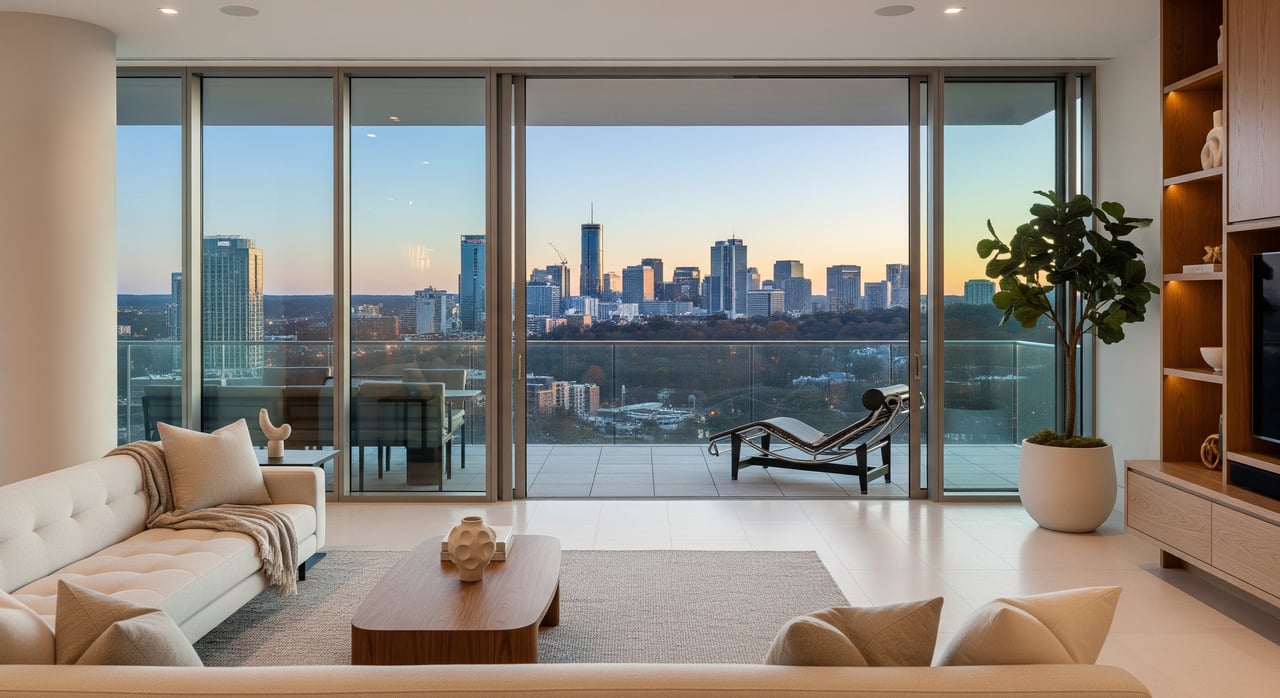
Higher floors often bring broader skyline views and more daylight, which many buyers prize. Orientation matters for natural light and heat gain, and some associations limit changes to exterior-facing window treatments. Ask about glass type, insulation, and sun control so you can plan for comfort.
High-rises reduce many street-level noises, but you may notice sounds from elevators, mechanical systems, or neighbors. Construction quality varies by building age and design. Tour at different times of day, and ask about double-pane windows and floor slab construction.
Inside most condos, layouts favor function and lock‑and‑leave convenience. Storage is usually more limited than in single‑family homes, though luxury units can surprise you with custom closets and smart built‑ins. If you are downsizing, start editing early and consider a unit with a deeded storage locker.
Nearby shopping, dining, and parks
Buckhead is known for upscale retail and a broad dining mix. You are close to Lenox Square, Phipps Plaza, boutique shops, and the restaurants clustered in Buckhead Village. That access is a big reason many residents choose a high-rise here.
Green space is available, but you may drive a short distance for larger parks. Piedmont Park and the Atlanta BeltLine are within reach by car or transit. Local projects and safety initiatives led by the Buckhead Community Improvement District help keep streetscapes active and appealing.
Health care access is another plus. You are near specialists, private practices, and major facilities like Piedmont Atlanta Hospital, which many empty nesters and frequent travelers appreciate.
Is a Buckhead high-rise right for you?
- Professionals: You get proximity to job centers, concierge convenience, and walk-to dining. The trade-off is HOA fees and commute variability depending on your office location and hours.
- Empty nesters and downsizers: You gain single‑floor living, security, and building social opportunities. You balance that with potential storage trade-offs and association rules for modifications or pets.
- Investors: Leasing rules, HOA fees, and taxes shape returns. Study demand for luxury rentals and confirm any rental caps or waitlists.
Condo tour checklist
Use this list to compare buildings and avoid surprises:
Management and governance
- Who manages the building and how long have they been in place?
- Can you review recent HOA minutes, budgets, and the reserve study?
- Any current or upcoming special assessments or capital projects?
Unit and monthly costs
- Exact HOA fee, what it includes, and the history of fee changes.
- Utilities covered by the HOA and any bulk cable/Internet arrangements.
- Deeded parking spaces and storage lockers, plus location and size.
Building systems and maintenance
- Elevator age and service schedule, roof and exterior envelope updates.
- Noise insulation details, window type, and common mechanical systems.
- Backup power for elevators and life-safety systems.
Lifestyle and access
- Package handling policy and presence of secure lockers.
- Guest access controls and door staff hours.
- Pet rules, guest parking, and EV charging availability and cost.
Legal and financing
- Pending litigation involving the association.
- Owner‑occupancy ratios and rental restrictions or caps.
- FHA/VA project approval status, if relevant to your financing.
Red flags to watch for
- Unusually low reserves with a pattern of special assessments
- Ongoing association litigation with unclear outcomes
- Deferred maintenance visible in common areas
- Ambiguous parking deeds or limited guest parking in a dense location
- Poor management responsiveness reported by owners
A careful review of documents and an on-site visit at different times of day will give you a clear picture of fit and value.
How to get started
Clarify your top three priorities first, such as walkability, views, or full-service staffing. Then shortlist buildings that match those needs and compare HOA health, parking, and rules side by side. Transit and traffic patterns from the Atlanta Regional Commission and schedules from MARTA’s Red Line can help you map your weekly routine.
When you are ready to tour, work with a local advisor who knows building-by-building differences and can secure HOA documents up front. For design-minded guidance, careful negotiation, and a tailored plan, connect with Bobbie Schmitt to explore the best North Buckhead options for your lifestyle.
FAQs
How walkable is a North Buckhead high-rise?
- Walkability varies by block, so check the building’s specific address using independent ratings like Walk Score and confirm proximity to Buckhead Village or the Lenox and Phipps corridor.
What transit options serve Buckhead condo residents?
- The MARTA Red Line serves Buckhead, with connections to Midtown, Downtown, and transfers to reach the airport, which many residents combine with walking or rideshare.
What do HOA fees usually cover in Buckhead towers?
- Fees typically support building insurance, staffing and security, common-area maintenance, amenities, trash, and reserves, with some buildings including water, gas, or basic Internet; always verify the line items in the budget.
Are guest parking and storage easy to find?
- Most units include at least one deeded parking space, but guest parking and storage vary by building, so confirm policies, locations, and any fees before you commit.
What should I review before making an offer on a condo?
- Ask for recent HOA minutes, the current budget and reserve study, details on any special assessments, leasing rules, pet policies, and documentation of deeded parking and storage; check taxes with the Fulton County Tax Assessor.